How to remove soot from walls after a small fire
Soot comes off walls with dry sponging, a degreaser, and the right order of operations. Here is the San Pedro method we use, plus when DIY stops working.
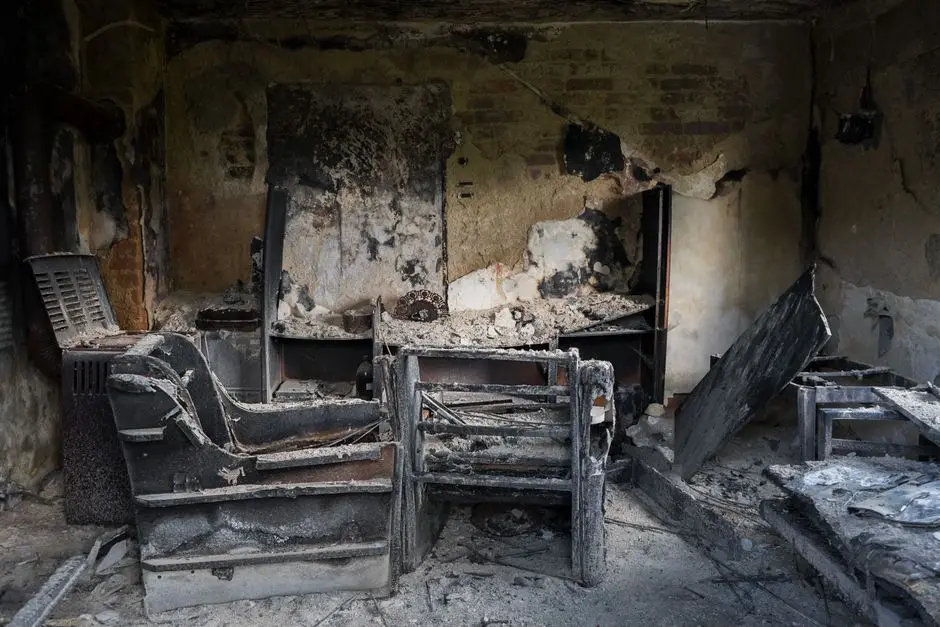
You remove soot from walls after a small fire by working dry first, then wet: vacuum the loose residue with a HEPA machine, dry-sponge the film off the wall, and only then wash with a degreaser mixed to the label. Wetting soot before you dry-clean it smears carbon into the paint and turns a two-hour job into a repaint. This guide covers the exact order, the products that work on San Pedro drywall and paint, and the point where DIY soot removal stops being worth it.
We handle soot removal from walls in SAN PEDRO every month, and the calls we get after a small kitchen or garage fire almost always start the same way: someone wiped the wall with a wet rag and made it worse. Here is how to avoid that.
Why soot sticks to walls and why the type of soot matters
Soot is the unburned carbon and chemical residue left behind when a fire burns without enough oxygen, and it clings to walls because the particles are microscopic and carry an electrostatic charge that bonds them to paint, drywall paper, and texture. How you clean it depends on what burned.
There are three soot types you will run into in a San Pedro home, and each one responds to a different method:
- Dry, powdery soot - paper, wood, and natural fiber fires. This is the easiest to remove and the one most DIY guides assume you have.
- Grease-based soot - kitchen fires, especially from cooking oil or a pan flare-up. It is sticky, smears easily, and needs a degreaser, not soap.
- Protein soot - food, plastic, or synthetic material fires. It looks like a thin brownish film, smells awful, and is nearly invisible until you try to paint over it.
If you are not sure which one you have, rub a clean white rag across the wall in an inconspicuous spot. Powdery soot transfers as a dry black smudge. Grease soot feels tacky. Protein soot leaves a faint brown tint and a smell that lingers on your hands.
What you need before you touch a wall
Before you start, put on an N95 or P100 respirator, nitrile gloves, and eye protection. Soot particles are small enough to reach deep into your lungs, and the residue from a plastic or synthetic fire carries irritants you do not want on your skin. Open windows and set up a box fan pulling air out of the room.
Gather these supplies:
- A HEPA vacuum with a brush attachment (a shop vac with a HEPA filter works)
- Chemical sponges (also called soot sponges or dry-cleaning sponges) - buy more than you think you need
- Two buckets: one for cleaning solution, one for rinse water
- A mild degreaser or a product labeled for fire soot residue
- Microfiber cloths and clean white rags
- Plastic drop cloths to protect floors and furniture
- A spray bottle for plain water
Skip the bleach. Bleach does not dissolve soot, and on painted drywall it can bleach the paint and leave a permanent light patch that no amount of washing fixes.
How do I remove soot from walls after a small fire in SAN PEDRO California?
You remove soot from walls after a small fire in San Pedro by cleaning from the top of the wall down, dry-cleaning before wet-cleaning, and changing your sponge or rag often so you are not just pushing carbon around. The order matters more than the product.
Start at the ceiling line and work downward in overlapping sections about 3 feet wide. Soot runs with gravity and with the water you use, so working top-down keeps you from re-soiling the wall you just cleaned. Change your dry sponge when it stops lifting residue and change your rinse water every few sections.
If the fire was in a kitchen or involved any kind of oil, treat the wall as grease soot from the start. That means a degreaser, warm water, and a rinse step. If the fire was paper or wood, start with the dry sponge and only move to a wet wash if the dry pass leaves a visible film.
How to clean soot off walls step by step
Here is the sequence we use on a typical small-fire wall, and it is the one that gives you the best chance of avoiding a repaint:
- Vacuum the loose soot. Run the HEPA vacuum with the brush attachment over the whole wall, floor to ceiling. Do not press hard. You are lifting the powder, not scrubbing it in.
- Dry-sponge the film. Use a chemical sponge dry, in straight overlapping strokes. It will load up fast. Fold it to a clean face or cut it into smaller blocks so you always have a clean surface.
- Test your cleaner in a corner. Mix the degreaser to the label dilution and test on a hidden spot. Wait five minutes and check for paint softening or color change before you commit to the whole wall.
- Wash in small sections. Dip a microfiber cloth in the cleaning solution, wring it out so it is damp, not wet, and wipe in overlapping passes. Follow immediately with a clean damp cloth to rinse.
- Dry the wall. Wipe with a dry microfiber or run a fan. Do not leave the wall damp - moisture plus soot residue is how you get a musty smell and paint failure.
- Inspect under good light. Use a flashlight held at a low angle to the wall. It shows residue that normal room light hides.
If you get through step six and still see a shadow on the wall, you are probably looking at staining in the paint, not soot on top of it. That is a different problem, covered below.
For larger jobs, or when the fire was in a bedroom or closet where soot has had time to settle into fabric and carpet, our Soot Removal in SAN PEDRO, California team handles the walls, ceilings, and contents in one pass so you are not chasing residue from room to room.
Soot stains on painted walls and what to do about them
Soot stains on painted walls in San Pedro are usually a sign that the carbon has bonded to the paint film or that the fire was hot enough to scorch the surface. If the wall feels smooth and the stain does not lift with a dry sponge or a damp cloth, the paint is stained, not dirty.
You have two options at that point:
- Seal and repaint. Apply a stain-blocking primer made for smoke and soot residue, then repaint. Ordinary latex primer will let the stain bleed back through within a few weeks.
- Cut out and replace. If the drywall paper is scorched or the stain covers more than about a third of the wall, replacing the drywall is often faster and cheaper than trying to seal it.
Do not paint directly over soot. The residue will bleed through latex paint, and the smell will come back on warm days. A stain-blocking primer is the minimum, and on a kitchen fire you want a shellac-based product, not water-based.
If the fire was in a kitchen and the soot has spread into cabinets and the ceiling, our Kitchen Fire Cleanup in SAN PEDRO, California crew deals with grease soot and the odor that comes with it, which is a different cleanup than a paper fire in a bedroom.
Soot removal from ceilings and other surfaces
Soot removal from ceilings in San Pedro is the part most homeowners underestimate. Heat rises, so the ceiling above a fire carries the heaviest soot load, and it is the surface most likely to drip on you while you work. Wear a hat and eye protection, and lay drop cloths before you start.
Use the same order - vacuum, dry sponge, then damp wash - but work in smaller sections and keep your cleaning cloth drier than you would on a wall. A wet ceiling is a ceiling that will sag or stain at the seams.
Other surfaces to hit before you call the job done:
- Window frames and sills, especially the top track
- Door tops and the tops of baseboards
- Light switch plates and outlet covers (turn the power off first)
- Ceiling fan blades and the top of the fan housing
- Blinds and curtain rods
Soot settles on horizontal surfaces first, so anything with a flat top in the room is holding residue you cannot see from standing height.
Common mistakes that make soot damage worse
The most common DIY soot removal mistake in San Pedro is wetting the wall before dry-cleaning it, which drives carbon into the paint and turns a cleanable surface into a repaint. Here are the others we see:
- Using a wet rag first. It smears the soot into a gray film that is harder to remove than the original residue.
- Scrubbing hard. Soot is not stuck-on dirt. Abrasion damages the paint and the drywall paper, and it does not lift the residue faster.
- Reusing dirty water. You are just redistributing carbon. Change the water every few sections.
- Skipping the HEPA vacuum. Dry sponging over loose soot pushes it into the texture.
- Running the HVAC. If the system is on, it pulls soot into the ducts and spreads it through the house. Turn it off until the walls are clean.
- Painting over residue. The stain and the smell come back, usually within a month.
One more: do not use a household cleaner with bleach on colored paint. It can strip the color and leave a patch you cannot blend.
When to call a professional for soot removal
Call a professional when the soot covers more than one room, when the fire involved plastic or synthetic materials, when you smell smoke after the walls are clean, or when anyone in the home has asthma or another respiratory condition. Those are the cases where DIY soot removal tends to leave residue behind and the smell comes back.
We also get called when the soot has moved into the HVAC system, when the ceiling texture is heavy enough that a sponge cannot reach the low spots, or when the fire was in an apartment and the landlord and tenant need a documented cleanup. Our Smoke Damage Restoration in SAN PEDRO, California team handles the walls, ceilings, and air handling together so the source of the smell is actually removed, not just covered.
If you are in an apartment or rental, the rules are different from a single-family home - your Apartment Fire Cleanup in SAN PEDRO, California crew deals with shared walls, landlord access, and the documentation your renter's insurance will ask for.
How much does soot removal cost in SAN PEDRO?
Typical 2026 pricing in this area runs $300 to $900 for a single-room DIY-scale cleanup done by a professional, and $1,500 to $4,500 for a multi-room job that includes ceilings, contents, and odor treatment. The range depends on square footage, soot type, ceiling height, and whether the walls need sealing and repainting afterward.
For a small fire where the soot is limited to one wall and a ceiling, most San Pedro homeowners are looking at the low end of that range. A kitchen fire with grease soot and cabinet cleaning pushes toward the middle. A fire that reached the attic or the HVAC system is a different scope entirely.
DIY supplies for a single room - respirator, chemical sponges, degreaser, microfiber cloths, drop cloths - run $60 to $120 at a local hardware store. If you get to the end and still need a repaint, add $400 to $1,200 for a single room depending on ceiling height and whether the drywall needs repair.
Frequently Asked Questions
How do I remove soot from walls after a small fire in SAN PEDRO California?
Vacuum the loose soot with a HEPA machine, dry-sponge the film off the wall, then wash with a degreaser mixed to the label and rinse with a clean damp cloth. Work top-down and change your sponge and water often. Most single-room jobs take 2 to 4 hours.
What removes soot from painted walls in SAN PEDRO?
A chemical soot sponge for the dry pass and a mild degreaser for the wet pass remove most soot from painted walls. If the stain stays after both, the paint is stained and needs a shellac-based stain-blocking primer before repainting. Bleach does not remove soot.
Can vinegar remove soot from walls in SAN PEDRO California?
Vinegar removes light protein soot and helps with odor, but it does not cut grease soot and it will not lift carbon that has bonded to paint. Use it as a rinse or odor treatment after the main cleaning, not as your primary soot remover.
Do I need a professional for soot removal in SAN PEDRO?
You need a professional when soot covers more than one room, the fire involved plastic or synthetic materials, the HVAC system was running, or the smoke smell returns after cleaning. Single-wall, paper-fire soot is usually a reasonable DIY job.
How long does soot removal take in SAN PEDRO California?
A single room takes 2 to 4 hours for walls and ceiling with DIY methods. A professional multi-room cleanup typically takes 1 to 3 days, and add 1 to 2 days if the walls need sealing and repainting afterward.
Get help with Fire Damage Restoration in SAN PEDRO
If the soot is past the point where a sponge is helping, or you want the walls, ceiling, and smell handled in one visit, our team at Fire Damage Restoration is local and ready. We clean, seal, and verify the room before we leave, and we tell you upfront what it will cost.
Call (833) 929-6186 to schedule soot removal in San Pedro.