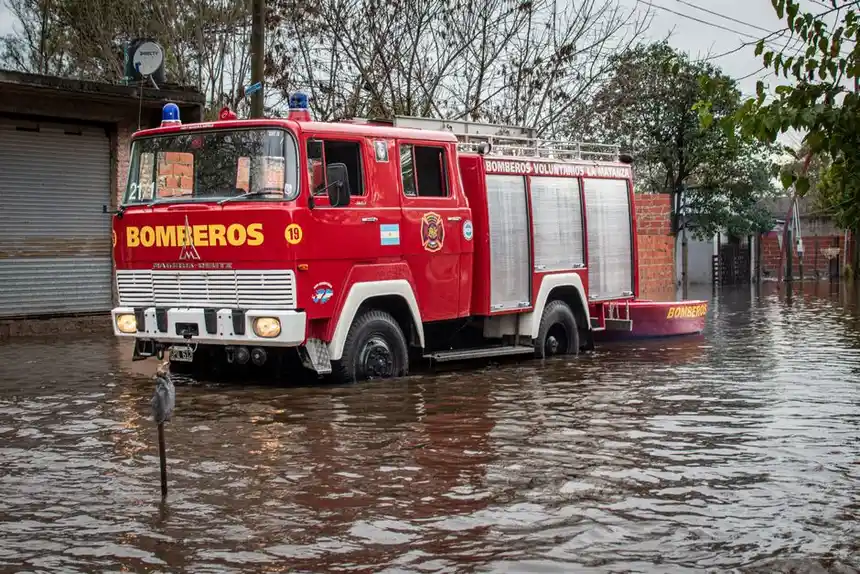
Soot, smoke, and standing water handled by one crew, start to finish.
Fire and Flood Restoration in SAN PEDRO, California
Fire and Flood Restoration in SAN PEDRO, California is the work of drying out what the hoses soaked and pulling smoke residue out of every surface the flames touched. We handle fire and water damage restoration SAN PEDRO California homeowners call about after a kitchen fire, attic fire, or burst supply line, and we start the same day you reach us. One crew, one scope, one point of contact from board-up to final walkthrough.
Live phone supportUpfront optionsBacked workmanship
What's included
What Fire and Flood Restoration Includes
The core scope covers emergency board-up, water extraction, structural drying, soot and smoke cleaning, deodorizing, and rebuild of what had to come out. Contents cleaning and storage are part of the job on most losses. Anything beyond the fire and water damage itself, like a full kitchen remodel or an electrical rewire, gets scoped separately and priced before we start.
Emergency Board-Up and Tarping
Broken windows boarded, openings secured, and roof damage tarped within hours. This protects the structure from weather and keeps the loss from growing while the claim is being written.
Water Extraction and Drying
Truck-mounted extraction, flood cuts, and dehumidifiers with air movers run until moisture meter readings hit a dry standard. Readings are logged twice daily so you can see the progress.
Soot and Smoke Cleaning
HEPA vacuuming, dry ice blasting or soda blasting on framing, and ultrasonic cleaning for contents. Sealing with shellac-based and oil-based stain-blocking primers follows immediately.
Odor Control
Hydroxyl generators, ozone treatment, and thermal fogging applied after drying, with charcoal and zeolite absorbers in closets and contained spaces. We do not close the job until the odor test passes.
Structural Rebuild
Drywall, insulation, lumber and framing, roofing shingles, and siding replaced to California Building Standards Code (Title 24), then sealed and painted. One crew from demo to finish coat.
Service overview
What Fire and Flood Restoration in SAN PEDRO, California Involves
Fire and Flood Restoration in SAN PEDRO, California is the combined trade of removing smoke and soot damage while simultaneously extracting water and drying structural cavities left behind by firefighting. The two problems fight each other: heat opens up framing and siding, then hundreds of gallons from a hose line soak into the same lumber and insulation. We scope both losses together because drying a wall before the soot is cleaned just bakes the odor in. Thermal imaging cameras and moisture meters map what is wet behind the drywall, and air scrubbers with HEPA filtration run while we work.
Most SAN PEDRO calls come from three places: a kitchen flare-up in a Seventh Street bungalow, an electrical fire in an older Pacific Avenue fourplex, and water damage from firefighting that reaches the unit below. Coastal humidity near the San Pedro Waterfront slows drying, so we set dehumidifiers and air movers by the numbers, not by feel. If you are searching fire and flood cleanup near me SAN PEDRO after a weekend loss, the first 48 hours decide whether you are replacing drywall or just sealing it.
How we workWe verify the cause, compare realistic options, and confirm the repair before we leave.
The service timeline
How the Restoration Process Runs
The process flexes to the condition, but these checkpoints keep decisions clear.
Emergency Board-Up
We secure broken windows, board openings, and tarp roof damage within hours so the structure is not open to weather or people. This is also when we photograph everything for the claim, before a single item moves. Expect this stage to take two to four hours on a typical house.
Water Extraction
Truck-mounted extraction pulls standing water from flooring, then we pull wet insulation and drywall to the flood cut line. A moisture meter reading goes on the wall so you can see the starting point. Most single-room extractions finish the same day we arrive.
Soot and Smoke Cleaning
HEPA vacuums lift loose soot from ceilings, walls, and framing, then dry ice blasting or soda blasting removes the bonded residue from charred lumber without gouging it. Contents go to an ultrasonic cleaning machine. This is the slowest stage, often three to five days on a whole-house loss.
Structural Drying
Dehumidifiers and air movers run continuously, with moisture readings logged twice a day until the framing matches a dry standard. A typical wall cavity dries in three to five days; a soaked subfloor can take a week. We do not pull equipment early to hit a schedule.
Rebuild and Final Walk
Drywall, insulation, lumber and framing, roofing shingles, and siding go back in to California Building Standards Code (Title 24) requirements, then we seal and paint. You walk the job with us, and we do not close the file until the odor test and moisture readings both pass.
Tools & methods
Equipment and Methods We Use
Purpose-built equipment, used by trained technicians, so the job is done accurately the first time.
Thermal Imaging Camera
Finds wet cavities and hidden heat damage behind drywall without opening every wall. It tells us where to cut and where to leave alone.
Moisture Meter
Reads moisture content in framing, drywall, and subfloor. Readings are logged twice daily until the structure hits a dry standard.
Dri-Eaz Dehumidifiers and Air Movers
Pull moisture out of the air and drive airflow across wet surfaces. Sizing is calculated by the cubic footage of the affected area, not guessed.
Air Scrubber and Negative Air Machine
HEPA filtration and containment pressure control keep soot and mold spores from spreading to unaffected rooms during demolition and cleaning.
Hydroxyl Generator and Ozone Generator
Neutralize smoke odor in the air and in porous materials. Hydroxyl units run in occupied-adjacent spaces; ozone is used only in sealed, unoccupied rooms.
Dry Ice Blasting Machine
Removes bonded soot and char from framing and brick without the gouging that sanding or grinding causes. No secondary media to clean up.
Content Cleaning Ultrasonic Machine
Cleans smoke-stained furniture, hard contents, and small items at a level hand cleaning cannot reach, saving pieces that look finished.
Use cases
When to Call for Fire and Flood Restoration
These examples show how the service framework adapts rather than forcing every call through one repair.
Attic Fire, Near Peck Park
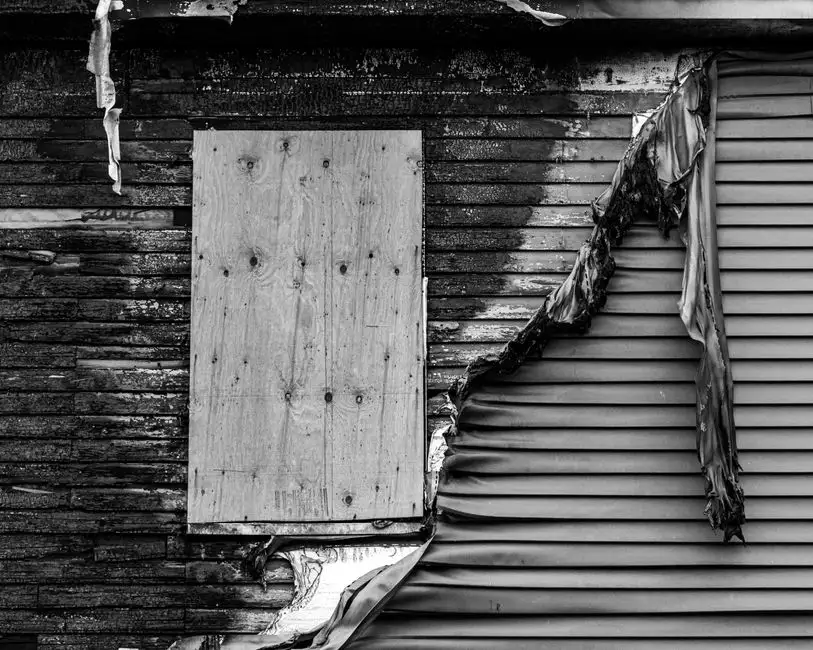
An electrical fire burned through attic insulation and charred roof framing before the fire department knocked it down. The insulation was soaked, and smoke had pushed down through the ceiling into two bedrooms. → Saturated insulation removed, framing dried to a logged dry standard over six days, charred lumber cleaned by dry ice blasting, and the cavity treated with hydroxyl generators. New insulation and drywall installed to Title 24, then sealed and painted.
Restaurant Fire, Ports O' Call Area
A hood fire left grease soot on the kitchen walls and hood, with smoke residue in the dining room ceiling tiles. The owner was facing a two-week closure and a staff layoff. → Dining room cleaned, deodorized, and reopened in five days while the kitchen was blasted and sealed. Full kitchen odor and moisture walkthrough passed the following week. The closure was cut to five days for the front of house.
Problems we solve
Problems Fire and Flood Restoration in SAN PEDRO Solves
The visible damage is rarely the expensive part. Lingering smoke odor, mold growth after fire suppression, and acidic soot corrosion on metals are what turn a two-week job into a two-month one. We treat those problems as the main event, not the cleanup.
Lingering smoke odor after the visible cleaning is done
We seal HVAC ducts, run air scrubbers and negative air machines, then apply hydroxyl generators and thermal fogging after the structure is dry. Charcoal and zeolite absorbers handle closets. The odor test at the end is pass or fail, not a judgment call.
Mold growth after fire suppression soaks the framing
We extract and set drying equipment the same day, log moisture readings twice daily, and do not pull equipment until the framing matches a dry standard. Catching it in the first 48 hours is the whole game.
Acidic soot corrosion on metal fixtures and wiring
Dry ice blasting and soda blasting remove bonded soot without gouging, then a shellac-based primer seals the surface. We coordinate the electrical inspection so melted wiring and electrical damage get cleared before power returns.
Insurance claim documentation gaps
We photograph and measure everything before demolition and write the scope in Xactimate, the platform most carriers use. Supplements get filed with evidence attached, not argued over the phone.
Pricing process
What Fire and Flood Restoration Costs
$3,500 - $18,000 depending on scope, with whole-house losses higher
Affected square footage
More rooms means more drying equipment, more demolition, and more rebuild. A single bedroom and a whole house are different categories of job.
Water volume from firefighting
A room-and-contents fire might involve 50 gallons; a fully involved structure can take hundreds. Water volume drives extraction time and how much material has to come out.
Drying duration
Plaster and soaked subfloor take longer than drywall and plywood. Each extra day of equipment is a line item, which is why we log readings instead of guessing.
How much does fire and flood restoration cost in SAN PEDRO California?
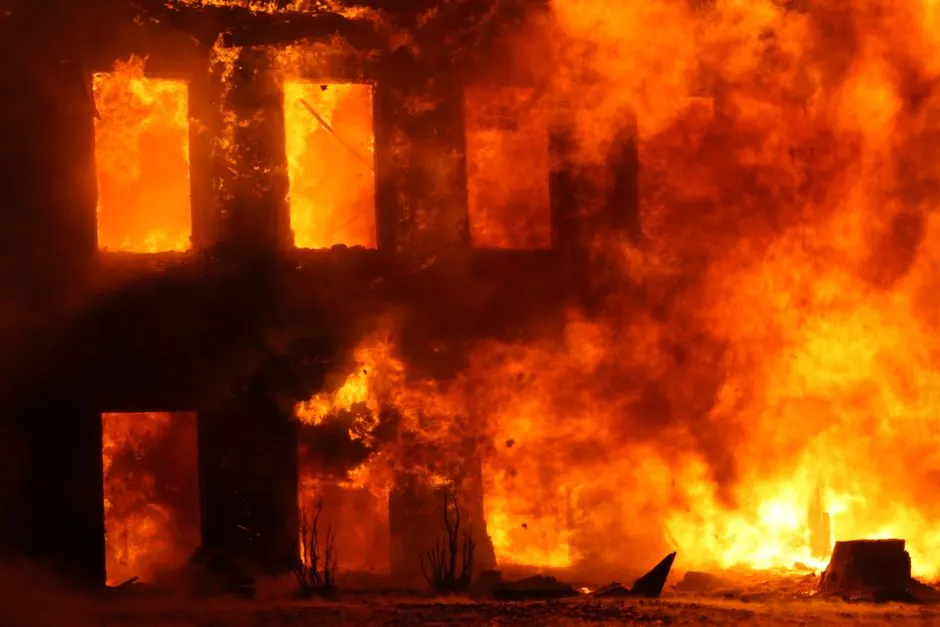
Most residential fire and flood restoration jobs in SAN PEDRO run $3,500 to $18,000 in 2026, with whole-house losses going higher. A single-room kitchen fire with limited water damage often lands near the low end. The biggest cost drivers are how much drywall and insulation has to come out, whether the roof needs tarping or repair, and how many days of drying equipment the structure needs.
Who does fire and water damage restoration near me in SAN PEDRO?
We do, and we handle both losses in one scope. Fire and water damage restoration SAN PEDRO California jobs are what our crews train for, from board-up through rebuild. Call (833) 929-6186 and describe what burned and what got wet; we will tell you what stage to expect first and get a crew scheduled, usually the same day.
Can you restore a home with both fire and water damage in SAN PEDRO?
Yes, and it is the normal case, not the exception. Firefighting water soaks framing, insulation, and subfloor that the fire already heated and opened up. We extract and dry first, then clean soot and deodorize, then rebuild. Drying before deodorizing is what keeps the smoke smell from returning once the structure warms back up.
Does insurance cover fire and flood damage in SAN PEDRO?
Fire damage and the water damage caused by firefighting are typically covered under a standard homeowners policy, usually as one claim. Flood from a storm surge or rising water is a separate policy, typically through the National Flood Insurance Program. We document the loss in Xactimate so your adjuster can separate the two causes cleanly if both are in play.
Related services
Related Services
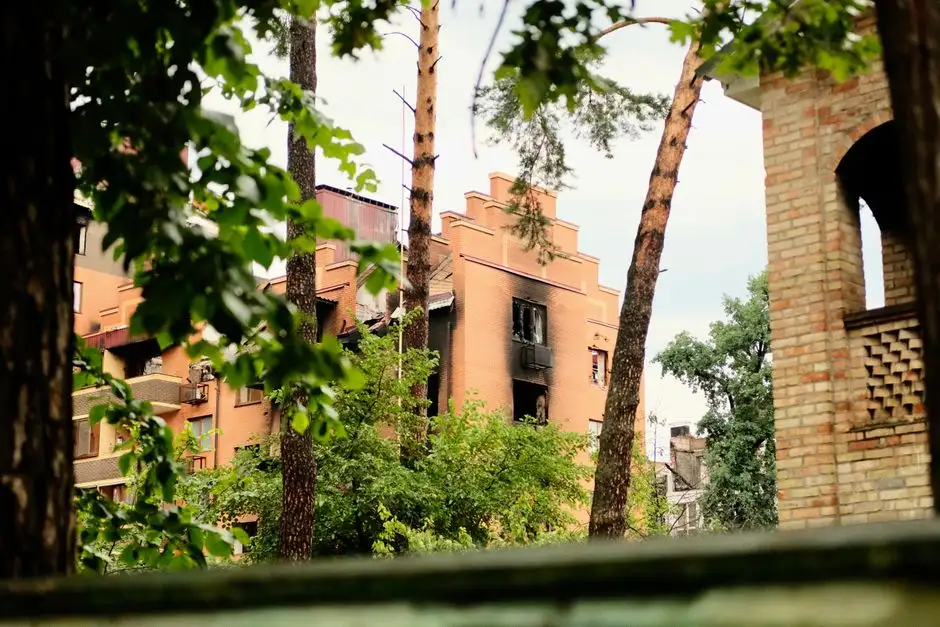
Smoke Damage Restoration
Smoke travels through wall cavities and HVAC ducts far past the burn room. We seal ducts, clean the air path, and treat surfaces so the odor does not migrate into bedrooms that never saw flame.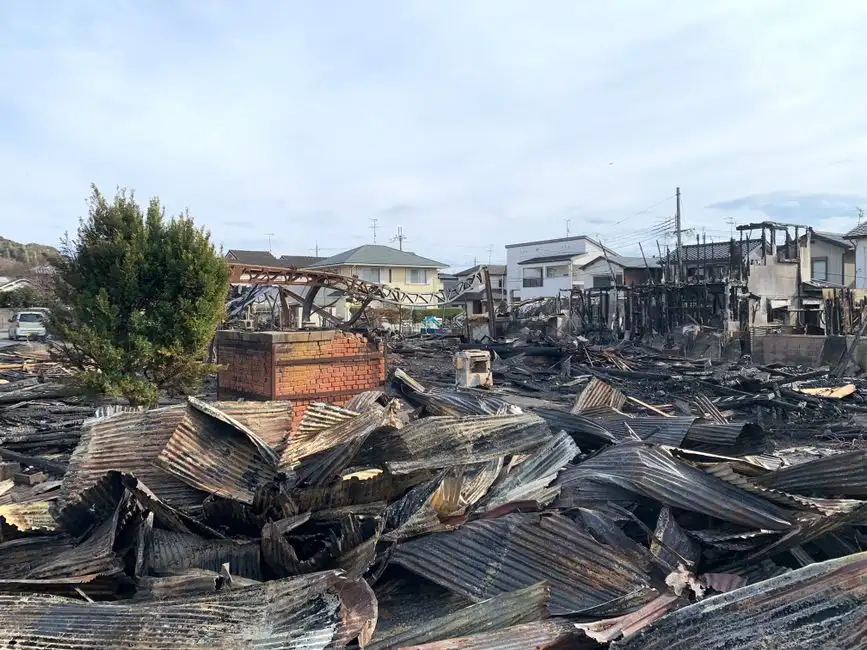
Fire Damage Clean Up
Debris removal, charred material haul-off, and initial surface cleaning. This is the stage that makes a burned room safe to walk through and lets the drying and deodorizing equipment do its job.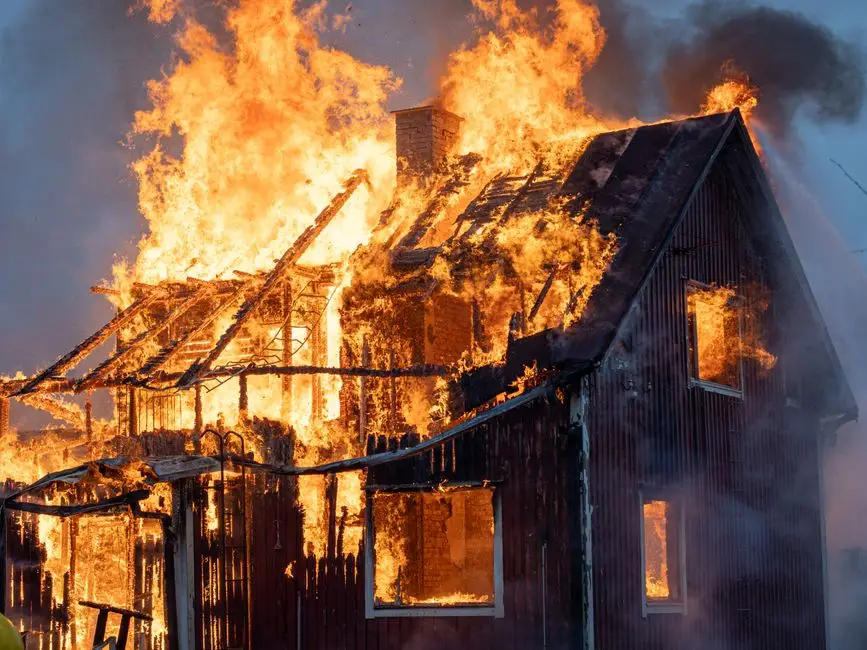
Emergency Fire Damage Restoration
Board-up, tarping, and extraction within hours of the call. Getting the structure closed and dry fast is what limits secondary damage and keeps the insurance scope from growing.Ready when you are
Get Fire and Flood Restoration in SAN PEDRO, California Started
One call gets a crew scheduled for board-up, extraction, and a written scope. We answer 24/7, we show up when we say we will, and we document the loss the way your adjuster needs to see it. Call (833) 929-6186 now.
Talk with the local team
Request Fire and Flood Restoration
Our line is open 24/7, and a live person answers every call. Tell us what burned and whether the structure is secure, and we will give you an arrival window on the spot. We serve every San Pedro neighborhood, from the waterfront to the hills.