How to prepare your San Pedro home for fire season before it starts
A practical, local guide to fire season preparation in San Pedro: defensible space zones, brush clearance deadlines, go bag contents, and the checklist we use on real homes.
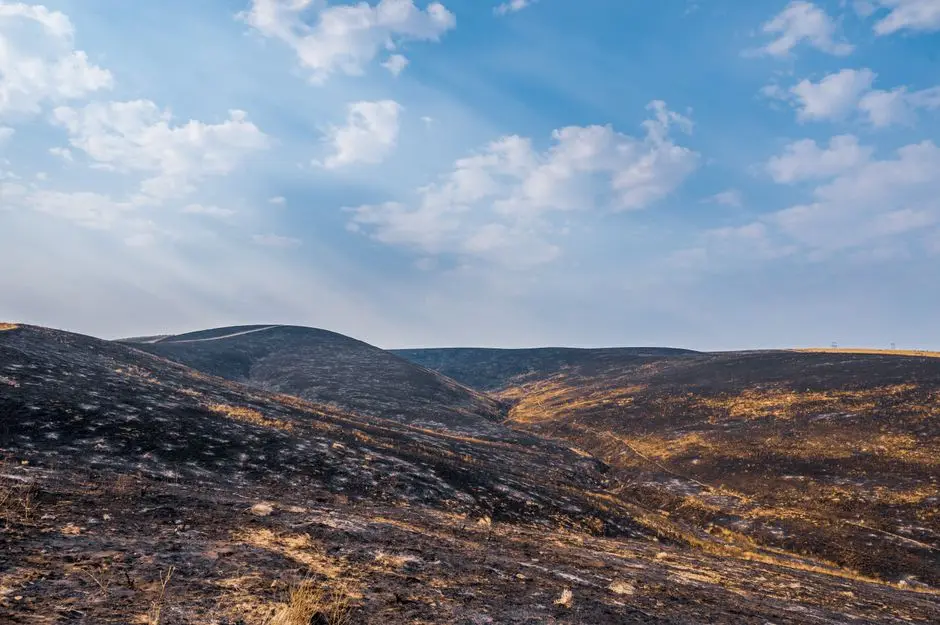
Fire season in San Pedro runs roughly May through October, with the worst risk arriving in late fall when Santa Ana winds push dry air off the Palos Verdes hills and through the harbor. Preparing your home before that window opens means clearing defensible space, hardening the structure, and having an evacuation plan you can execute in under five minutes. This guide walks through the exact steps we recommend to homeowners across San Pedro, from brush clearance deadlines to go bag contents, so you are not scrambling when a red flag warning hits.
When is fire season in San Pedro, California?
Fire season in San Pedro, California peaks from late August through November, when humidity drops below 15% and offshore winds accelerate through the Harbor Gateway and over the Palos Verdes Peninsula. The California Department of Forestry and Fire Protection (CAL FIRE) treats the entire region as high hazard through October, and local red flag warnings can trigger public safety power shutoffs with as little as 24 hours notice.
November is when we see the most dangerous conditions. The vegetation is bone dry from six months without rain, and a single spark from a downed power line or a landscaping crew can move a fire from the hills to a residential block in under 20 minutes. If you have not done your prep by the end of September, you are already behind.
That said, structure fires in San Pedro happen year-round. Kitchen fires, electrical panel failures, and dryer vent lint are just as likely in February as in August. Fire season preparation is really year-round home fire safety with a hard deadline attached.
What is defensible space in San Pedro California?
Defensible space in San Pedro California is the buffer you create between your home and the grass, brush, and trees around it, divided into three zones that each have different clearance requirements. It is the single most effective thing you can do to keep an approaching wildfire from igniting your roof, siding, or deck.
CAL FIRE and the Los Angeles County Fire Department define the zones this way:
- Zone 0 (0-5 feet): The ember-resistant zone directly against the house. No wood mulch, no combustible fencing, no firewood, no potted plants with dry material. Use gravel, pavers, or bare soil.
- Zone 1 (5-30 feet): Lean, clean, and green. Remove dead vegetation, keep grass mowed under 4 inches, and space shrubs so they do not touch each other or overhang the roof.
- Zone 2 (30-100 feet): Reduced fuel zone. Thin trees to 10 feet between canopies, remove ladder fuels that let fire climb from ground to crown, and keep any wood piles at least 30 feet from the structure.
On the steep lots above Point Fermin and along the canyon edges near Barton Hill, Zone 2 often extends onto a neighbor's parcel or open space. We tell homeowners to document what they cleared and when, because clearance disputes after a fire are common and the paper trail matters.
If you are not sure where your zones start and stop, a local fire damage restoration company can walk the property with you and mark the lines with stakes before you hire a crew.
Brush clearance rules in San Pedro California
Brush clearance rules in San Pedro California require most hillside and canyon-adjacent properties to be cleared to 100 feet by June 1 each year, with a second pass recommended in late September before the Santa Ana winds arrive. The Los Angeles County Fire Department inspects properties in the Very High Fire Hazard Severity Zone and can issue a notice to abate if clearance is not done.
What that looks like in practice:
- Mow or weed-whack all grass to 4 inches or less within 100 feet of any structure.
- Remove all dead branches, leaves, and pine needles from the roof and rain gutters.
- Trim tree branches so the lowest limb is at least 6 feet off the ground and 10 feet from the chimney.
- Clear vegetation at least 10 feet back from propane tanks and 5 feet from any wood fence attached to the house.
- Dispose of green waste through the city's brush collection program or a permitted hauler - do not pile it on the curb where it becomes fuel.
Clearance crews in San Pedro charge roughly $400 to $1,200 for a typical quarter-acre lot in 2026, depending on slope and how much brush is on the parcel. Steep canyon lots above Vista Del Oro run higher because crews have to hand-cut instead of machine-mow.
Do not wait until June 1 to book. Crews fill up in April and May, and the properties that get cleared last are the ones most exposed when the first red flag warning hits. If you are in a high-risk neighborhood like Point Fermin Fire Damage Restoration California territory, where the bluffs and open space create a direct flame path, schedule your clearance in March.
Home fire safety checklist for San Pedro homeowners
A home fire safety checklist for San Pedro homeowners has to cover both wildfire exposure and the ordinary ignition sources that cause most structure fires. We use this list on every pre-fire-season walkthrough, and it takes about two hours to complete.
Roof and exterior
- Clear gutters and roof valleys of pine needles and leaves - this is the number one ember trap on San Pedro homes.
- Inspect roof shingles or tiles for gaps; embers can slip under a lifted tile and ignite the underlayment.
- Screen attic vents, soffit vents, and foundation vents with 1/8-inch metal mesh to block ember entry.
- Replace any wood shake roofing if you can - it is the most combustible roof material and often disqualifies a home from wildfire insurance.
- Remove firewood, lumber, and combustible patio furniture from within 5 feet of the house.
Utilities and systems
- Test every smoke alarm and carbon monoxide detector; replace batteries twice a year and the units every 10 years.
- Have an electrician inspect the panel for double-tapped breakers, scorched bus bars, or aluminum wiring - all common in mid-century San Pedro homes.
- Clean the dryer vent and lint trap; lint fires are one of the top five causes of residential fires nationwide.
- Check that the gas meter has a clear shutoff valve and a wrench stored nearby, and know how to turn it off.
- Install a 5-pound ABC fire extinguisher in the kitchen, garage, and on each floor.
If you find scorched wiring, a failing panel, or smoke staining you cannot explain, call us for electrical fire cleanup near me SAN PEDRO before the next wind event. Small electrical faults are the most common cause of attic fires we see in older harbor-area homes.
Emergency go bag for San Pedro residents
An emergency go bag for San Pedro residents should be packed to sustain your household for at least 72 hours and stored by the front door, not in the garage or a closet. When an evacuation order comes, you may have less than 10 minutes to leave.
Pack one bag per person and one shared household bag:
- Three days of water (1 gallon per person per day) and non-perishable food
- Prescription medications, a first aid kit, and a list of medical conditions and allergies
- Phone chargers, a battery bank, a flashlight, and a battery-powered or hand-crank radio
- Copies of insurance policies, deeds, passports, and a thumb drive with family photos
- N95 masks - smoke inhalation is the most common injury in wildfire evacuations
- Pet food, a leash, and a carrier for each animal
- Cash in small bills, because card readers fail when the power is out
Keep a pair of closed-toe shoes and a flashlight next to your bed. If a fire starts at 2 a.m., you do not want to be hunting for either. And register for Alert LA County notifications so evacuation orders reach your phone directly instead of through a neighbor's text.
Fire-resistant landscaping in San Pedro California
Fire-resistant landscaping in San Pedro California replaces thirsty, oily, or resinous plants with low-flammability species that hold moisture and resist ember ignition. It does not mean a gravel yard - you can keep a green, attractive landscape and still cut your risk substantially.
Plants that perform well here and resist fire include California lilac, manzanita (kept thinned), rockrose, lavender, and most low-growing succulents like ice plant and aloe. Avoid juniper, eucalyptus, pines, and ornamental grasses - all of them are high-oil or high-resin and burn hot and fast.
Hardscape matters as much as plants. Replace wood mulch within 5 feet of the house with gravel or crushed rock, use stone or metal edging instead of wood, and keep any wooden fence at least 5 feet from the structure with a metal gate connecting the two. On sloped lots, build a low retaining wall of non-combustible material to slow a ground fire's uphill run.
Irrigation is the other half of the equation. A drip system on a timer keeps your plants hydrated through the dry months, which raises their ignition temperature. If you are on a hillside in Palos Verdes Drive Fire Damage Restoration California territory, a properly zoned irrigation system is the difference between a landscape that resists embers and one that carries them.
Common mistakes to avoid
The most common fire season preparation mistake we see in San Pedro is clearing brush once in spring and assuming the job is done. Vegetation regrows fast after any rain, and by October the same lot can be chest-high in dry grass again. Clear in spring, then walk the property again in early September.
Other mistakes that cost homeowners real money:
- Storing propane tanks against the house. A 20-pound tank venting in a fire becomes a blowtorch aimed at your siding. Keep them at least 30 feet from any structure.
- Ignoring the deck. Wood decks trap needles and leaves underneath, and embers land on them constantly. Screen the underside and sweep it monthly during fire season.
- Piling green waste on the curb. That pile is fuel. Haul it or schedule a pickup the same week you cut it.
- Skipping the evacuation plan. Knowing two routes out of your neighborhood - not one - matters when a road closes. Practice the drive with your family once a year.
- Assuming renters do not need to prep. If you rent, you still control your go bag, your evacuation plan, and what is on your patio. Your landlord handles the structure.
We also see homeowners try to clean up fire damage themselves after a small kitchen or garage fire, then discover weeks later that smoke residue has etched the drywall and the odor has soaked into insulation. That is a job for professional smoke remediation near me SAN PEDRO, not a bucket of vinegar and a box fan.
When to call a professional
Call a professional when fire, smoke, or soot has touched the structure of your home - not just the surface. If you can smell smoke in a room two weeks after a fire, or see brown staining on walls or ceilings that keeps coming back after cleaning, the residue has penetrated porous materials and needs commercial-grade equipment to remove.
We handle the full scope: board-up and emergency stabilization, soot and smoke removal, structural repair, and odor elimination. Our team at Fire Damage Restoration San Pedro works across the harbor area and the hill neighborhoods, and we can walk your property before fire season to flag the ignition risks you might have missed. If a fire has already happened, call us before you start cleaning - the first 48 hours determine how much of your home is salvageable.
Frequently Asked Questions
How do I prepare my San Pedro home for fire season in California?
Clear 100 feet of defensible space by June 1, screen attic and foundation vents with 1/8-inch mesh, clean gutters, pack a 72-hour go bag, and register for Alert LA County. Do a second clearance pass in September before Santa Ana winds arrive.
What is defensible space in San Pedro California?
Defensible space is the three-zone buffer between your home and surrounding vegetation: 0-5 feet ember-resistant, 5-30 feet lean and green, and 30-100 feet reduced fuel. It is required by CAL FIRE and LA County Fire for high-hazard properties.
When is fire season in San Pedro California?
Fire season in San Pedro runs May through October, with peak danger from late August through November when humidity drops below 15% and Santa Ana winds accelerate through the harbor and over the Palos Verdes hills.
What should be in a go bag in San Pedro California?
Pack 72 hours of water and food, medications, a first aid kit, phone chargers and a battery bank, N95 masks, copies of insurance and ID documents, pet supplies, and small bills. Store it by the front door, not in the garage.
How often should I clear brush around my San Pedro home?
Clear brush at least twice a year: a full pass by June 1 to meet LA County Fire requirements, and a second pass in late September before the Santa Ana winds. Properties that regrow fast after rain may need a third pass in August.
Get help with Fire Damage Restoration in SAN PEDRO
Fire season preparation is a weekend of work that protects your home for years. If a fire has already damaged your property, or you want a professional walkthrough before the next red flag warning, our team is ready.
Call Fire Damage Restoration San Pedro at (833) 929-6186 for emergency response, smoke and soot cleanup, and structural repair across San Pedro and the surrounding harbor neighborhoods.